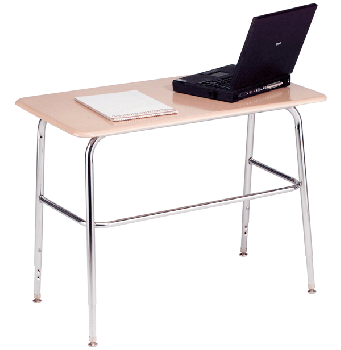
USA-built classroom furniture with metal-to-metal inserts stands out primarily because it’s engineered for long-term structural strength, repairability, and real-world school durability—especially in high-use environments.
1. Superior Structural Strength
Metal-to-metal inserts create a rigid connection between parts (like legs, frames, and work surfaces) without relying on wood screws or particleboard threads. That matters because:
- Joints don’t loosen over time as easily
- Furniture stays stable under heavy daily use
- Weight distribution is handled more efficiently
In schools, where desks and tables get moved, climbed on, and constantly adjusted, this difference is significant.
2. Longer Lifespan in High-Traffic Spaces
Cheaper furniture often uses wood screws or cam locks that strip out over time. Metal-to-metal systems avoid that failure point, which means:
- Fewer repairs and replacements
- Less wobbling or structural failure
- Better performance after years of use
This is especially important in K–12 classrooms where furniture is rarely treated gently.
3. Easier Maintenance and Repair
When parts do need replacement, metal-to-metal systems are typically:
- More standardized
- Easier to disassemble and reassemble
- Less likely to damage surrounding materials during repair
This reduces downtime in classrooms and lowers long-term maintenance costs for districts.
4. Built for American Standards and Usage Patterns
Furniture manufactured in the USA is generally designed around:
- Higher durability expectations
- Compliance with stricter institutional standards
- Heavy, repeated daily use (not light residential use)
That design philosophy usually results in stronger frames, thicker materials, and more robust joinery systems.
5. Better Load Capacity and Stability
Metal-to-metal connections improve rigidity, which translates to:
- Less flexing in desks and tables
- Higher weight capacity for shared learning environments
- Improved stability for technology-heavy setups (laptops, monitors, charging stations)
6. Reduced Long-Term Cost (Even if Initial Price Is Higher)
While USA-built, metal-to-metal furniture can cost more upfront, districts often choose it because:
- It lasts significantly longer
- It requires fewer replacements
- It reduces maintenance labor over time
Over a 10–20 year cycle, total cost of ownership is often lower than cheaper alternatives.
Bottom Line
Metal-to-metal insert construction in USA-built classroom furniture stands out because it prioritizes durability, stability, and lifecycle value over short-term cost savings. In environments where furniture is used daily and heavily abused, that structural advantage becomes the difference between replacing furniture in a few years—or keeping it for decades.